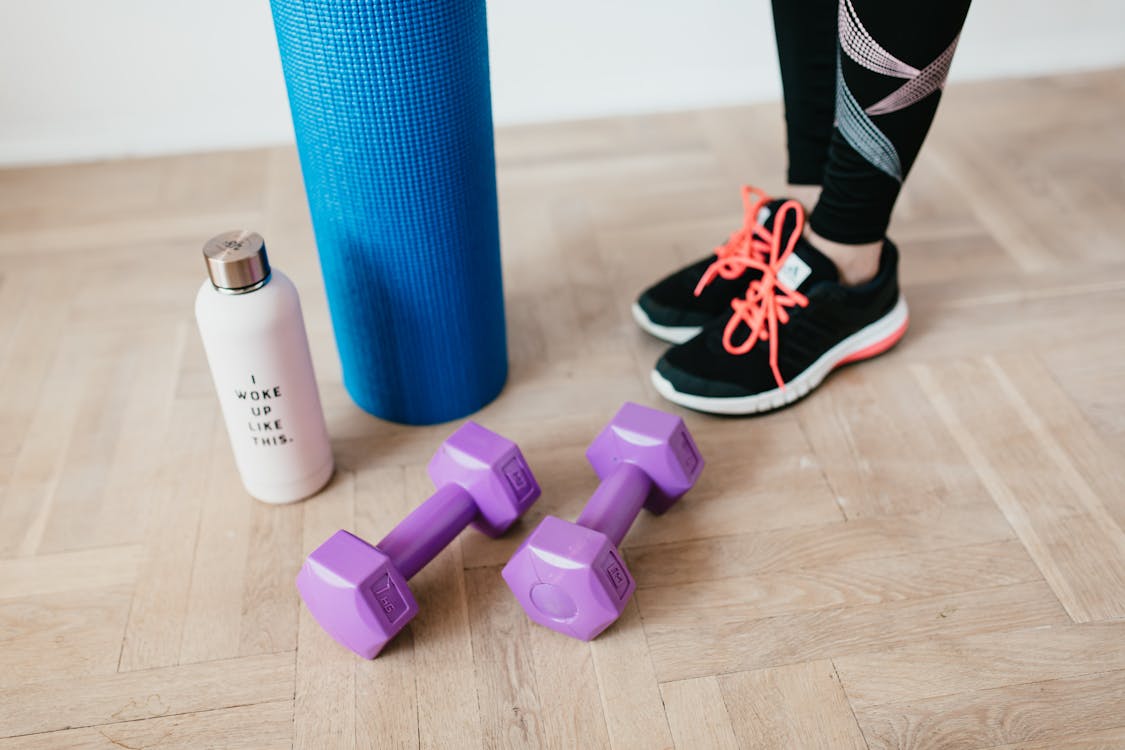
For years, the concept of "no discomfort, no gain" resembled throughout fitness centers and storage locker spaces. The emphasis was all about pressing harder, raising much heavier, and running much faster. But in the last few years, a shift has been silently reshaping the fitness landscape. Recovery has actually entered the spotlight, not as an afterthought, yet as an important component of efficiency and total health and wellness. This isn't practically sleeping extra or taking a day of rest. Healing has advanced into a structured, science-backed practice that is being welcomed by elite athletes, weekend break warriors, and daily health and fitness lovers alike.
What's changed is our understanding of just how the body reacts to stress. Workout, after all, is a regulated form of stress and anxiety. It challenges muscular tissues, joints, and cardiovascular systems. Without ample healing, nonetheless, the body doesn't have the possibility to rebuild and enhance. Instead of adapting, it breaks down. That's where the idea of "remainder as the new workout" obtains momentum. Recuperation isn't laziness. It's method.
The Science of Getting Stronger While Doing Less
There's a fascinating reality that usually goes unspoken in training circles. A lot of gains in toughness, speed, and endurance occur not throughout the exercise itself, but during the time after. When we rest, we repair. Muscular tissues restore stronger fibers. The nervous system alters. Hormonal equilibriums are recovered. This is when the magic takes place. Yet, way too many people neglect this essential home window, leaping from one exercise to the following without offering their body time to totally benefit from the work they've currently done.
Today, even more people are understanding that missing remainder is in fact missing outcomes. Overtraining can cause tiredness, irritation, and even injury. By weaving structured recovery into a training routine, the threat of fatigue is lowered, and the course to long-lasting development ends up being much clearer.
Energetic Recovery: Movement With Purpose
Relax doesn't always suggest not doing anything. As a matter of fact, active recuperation has actually become one of the most preferred methods to accelerate recovery and minimize soreness. Tasks such as light walking, yoga, or mobility-focused workouts help boost blood flow, reduce swelling, and keep the body limber without including stress. These low-intensity sessions help bridge the gap in between hard training days, offering both mind and muscle mass an opportunity to reenergize.
In scientific setups, approaches like chiropractic trigger point injections are being utilized to manage limited muscle mass groups and release built-up tension. These treatments target specific areas where stress accumulates, assisting the body function much more easily while also enhancing circulation and series of movement. This technique mixes the very best of contemporary science and movement treatment, and it's aiding redefine exactly how we watch "remainder" in a health and fitness regimen.
Modern technology's Role in Recovery Innovation
As recuperation gains importance, so too has the technology sustaining it. Wearable gadgets now check heart price variability, sleep patterns, and stress and anxiety actions to give insight into just how well somebody is recovering. Yet beyond the gizmos and data, there are additionally improvements in therapeutic treatments that focus particularly on recovery and repair.
One such method is medical laser treatment, which uses focused light energy to stimulate tissue repair, decrease inflammation, and accelerate the healing procedure. This strategy has actually been made use of in both sporting activities medicine and chronic pain management, offering a non-invasive way to sustain the body's all-natural healing systems. Its efficiency has made it a valuable device for those that wish to preserve peak performance while reducing downtime.
Shifting the Mindset: Rest Without Guilt
For some, specifically those deeply embedded in hustle culture, slowing down can really feel detrimental. But reframing remainder as an energetic part of progress transforms the entire perspective. The psychological benefits of remainder are just as significant as the physical ones. Recuperation days assist manage mood, improve emphasis, and reduce the see it here psychological fatigue that can thwart long-lasting objectives.
When people start to view remainder as purposeful instead of passive, they begin to experience a new degree of energy and inspiration. It's no more regarding "gaining" rest days with punishment, however concerning integrating them right into the rhythm of training as a kind of dignity. This shift can be one of one of the most empowering changes a person makes in their wellness trip.
Recovery Isn't Just for Athletes Anymore
The concepts of recuperation aren't reserved for high-performing athletes or those recuperating from injury. They're equally as important for white-collar worker with pain in the back, parents juggling everyday obligations, or any person navigating physical or emotional stress and anxiety. The surge of recovery has democratized the discussion around remainder, transforming it into something that every person can gain from-- no matter age, fitness degree, or lifestyle.
Services customized to holistic health, such as sports orthopedic and spine support, are aiding more individuals avoid injury and manage chronic problems through a recovery-focused lens. Whether it's dealing with joint dysfunction, resolving spinal placement, or supporting tissue fixing, the combination of recuperation into health care is developing a more positive version of care that motivates avoidance over reaction.
Accepting the New Era of Fitness
As we remain to recognize the body's reaction to anxiety and activity, it becomes clear that doing much more isn't always the solution. Sometimes, the smartest thing you can do is listen, decrease, and allow your body catch up. Recuperation is no longer a side note. It's the core technique that's raising health and wellness end results and redefining what it suggests to be solid.
If you've been pushing continuous, perhaps it's time to reassess your rhythm. The future of health and fitness isn't nearly how hard you train-- it's about how well you recover. Follow the blog site for even more understandings on wellness, health, and the progressing globe of performance science. There's more to explore, and your body will thanks for it.